
See it on a real car
Pick a car. The verdict, the on-road price where you live and the evidence all run for it, live.
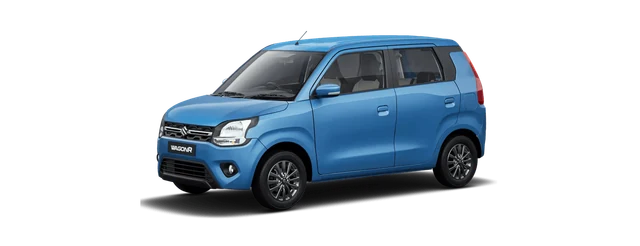
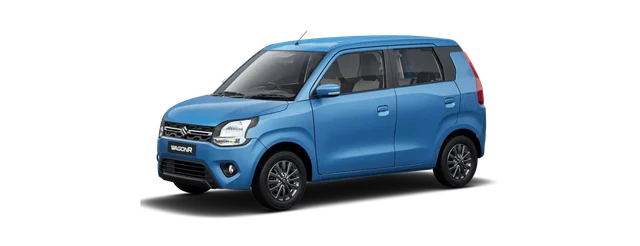
Maruti Suzuki Wagon R
9 variants, from ₹4.99L. Its page →
Which variant is worth the money
- 1LXi
- 2VXi
- 3ZXi
- 4ZXi+· our pick
Our pick: ZXi+best value for money
The verdict in words
There are 9 ways to buy the Wagon R, across 4 trims, from ₹4.99L to ₹6.84L ex-showroom.
Best value for money: ZXi+, at ₹43,000 over the ZXi. Of the steps you pay extra for that keep the same engine and gearbox, none is better value for money on the price list. VXi to ZXi looks better value for money than that, and is left out of the comparison because it changes the engine or the gearbox too: its price is not the price of its features.
The ladder keeps paying to the end here: ZXi+ is both the last step up and the best value for money.
What it costs on the road where you live
Pick your city at the top and this page prices the Wagon R where you'll register it.
The Wagon R on the road, state by state
Pick a variant. It is priced in the cheapest and the dearest state; pick your city at the top for your own figure.
- Arunachal Pradeshcheapest₹5,20,955+4%
₹4,99,000 ex-showroom, Arunachal Pradesh takes ₹12,475, everything else ₹9,480
- Karnatakadearest₹5,81,486+17%
₹4,99,000 ex-showroom, Karnataka takes ₹73,006, everything else ₹9,480
Arunachal Pradesh₹5,20,9551st of 25the cheapest stateOpen →
What the evidence says, and who said it
What owners and testers say
Independent evidence only. Never the maker’s own marketing.
7 more things owners and testers say
This cartap a row for the evidence
Maruti Suzuki ownership, across every model
Tap any row for the full account and its sources. Last reviewed 2026-09-08.
Why there is no overall score
Scores are our reading of published, independent evidence, not the manufacturer's, and we deliberately publish no single overall rating: a car can be excellent on safety and weak on resale, and one number would hide that. How we score, and how makers can respond.
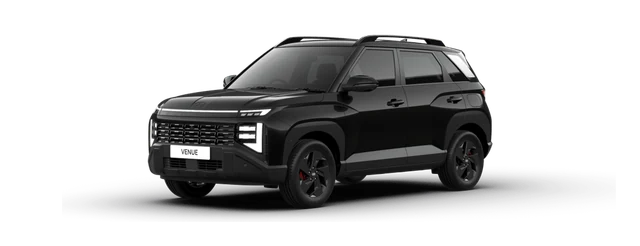
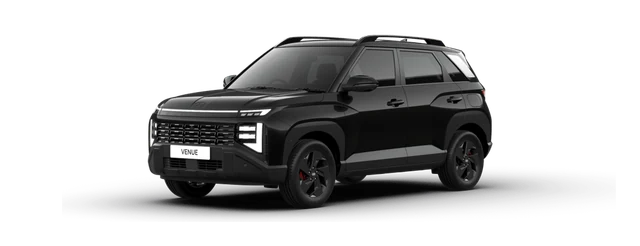
Hyundai Venue
24 variants, from ₹8.00L. Its page →
Which variant is worth the money
- 1HX 2
- 2HX 4
- 3HX 5
- 4HX 5 Knight
- 5HX 5+· our pick
- 6HX 6
- 7HX 6T
- 8HX 6T Knight
- 9HX 8
- 10HX 7
- 11HX 8 Knight
- 12HX 10
- 13HX 10 Knight
Our pick: HX 5+best value for money
The verdict in words
There are 24 ways to buy the Venue, across 13 trims, from ₹8.00L to ₹15.65L ex-showroom.
Best value for money: HX 5+, at ₹29,000 over the HX 5 Knight. No other step you pay for is better value for money on the price list.
Above that, the one to think hardest about is HX 6T, at ₹46,000 over HX 6. Of the 6 steps above the best-value one, none is worse value for money, so take it because you want what it adds, not because it is next.
What it costs on the road where you live
Pick your city at the top and this page prices the Venue where you'll register it.
The Venue on the road, state by state
Pick a variant. It is priced in the cheapest and the dearest state; pick your city at the top for your own figure.
- Arunachal Pradeshcheapest₹8,38,340+5%
₹8,00,000 ex-showroom, Arunachal Pradesh takes ₹24,000, everything else ₹14,340
- Karnatakadearest₹9,39,660+17%
₹8,00,000 ex-showroom, Karnataka takes ₹1,25,320, everything else ₹14,340
Arunachal Pradesh₹8,38,3401st of 25the cheapest stateOpen →
What the evidence says, and who said it
What owners and testers say
Independent evidence only. Never the maker’s own marketing.
5 more things owners and testers say
This cartap a row for the evidence
Hyundai ownership, across every model
Tap any row for the full account and its sources. Last reviewed 2026-09-14.
Why there is no overall score
Scores are our reading of published, independent evidence, not the manufacturer's, and we deliberately publish no single overall rating: a car can be excellent on safety and weak on resale, and one number would hide that. How we score, and how makers can respond.
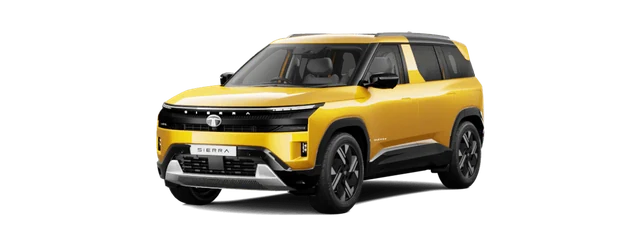
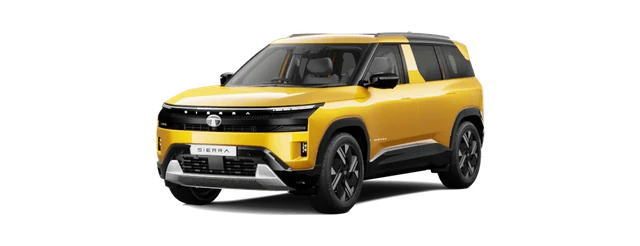
Tata Sierra
59 variants, from ₹11.49L. Its page →
Which variant is worth the money
- 1Smart+
- 2Smart+ L
- 3Pure
- 4Pure L
- 5Pure L Dark
- 6Pure L (O)
- 7Pure L (O) Dark
- 8Pure+ L
- 9Pure+ L Dark
- 10Adventure+
- 11Adventure+ L
- 12Adventure+ L Dark
- 13Accomplished· our pick
- 14Accomplished Dark
- 15Accomplished+
- 16Accomplished+ Dark
Our pick: Accomplishedbest value for money
The verdict in words
There are 59 ways to buy the Sierra, across 16 trims, from ₹11.49L to ₹21.59L ex-showroom.
Best value for money: Accomplished, at ₹70,000 over the Adventure+ L Dark. No other step you pay for is better value for money on the price list.
Above that there is one upgrade left, Accomplished+, at ₹1.00L over Accomplished Dark. Nothing sits above it to weigh it against, so take it because you want what it adds, not because it is next.
What it costs on the road where you live
Pick your city at the top and this page prices the Sierra where you'll register it.
The Sierra on the road, state by state
Pick a variant. It is priced in the cheapest and the dearest state; pick your city at the top for your own figure.
- Arunachal Pradeshcheapest₹12,09,300+5%
₹11,49,000 ex-showroom, Arunachal Pradesh takes ₹34,470, everything else ₹25,830
- Karnatakadearest₹13,92,646+21%
₹11,49,000 ex-showroom, Karnataka takes ₹2,17,816, everything else ₹25,830
Arunachal Pradesh₹12,09,3001st of 25the cheapest stateOpen →
What the evidence says, and who said it
What owners and testers say
Independent evidence only. Never the maker’s own marketing.
9 more things owners and testers say
This cartap a row for the evidence
Tata ownership, across every model
Tap any row for the full account and its sources. Last reviewed 2026-08-16.
Why there is no overall score
Scores are our reading of published, independent evidence, not the manufacturer's, and we deliberately publish no single overall rating: a car can be excellent on safety and weak on resale, and one number would hide that. How we score, and how makers can respond.
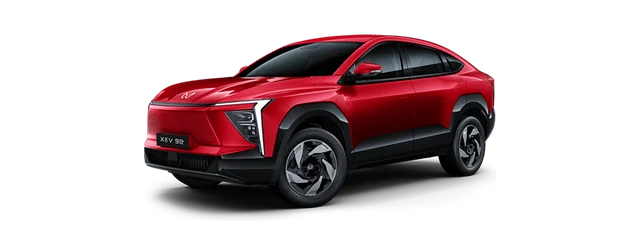
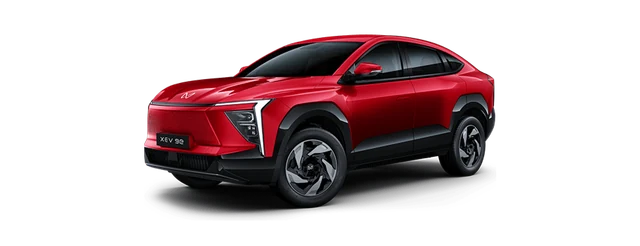
Mahindra XEV 9e
6 variants, from ₹21.90L. Its page →
Which variant is worth the money
- 1Pack One
- 2Pack Two· our pick
- 3Pack Three Select
- 4Cineluxe Edition
- 5Pack Three
Our pick: Pack Twobest value for money
The verdict in words
There are 6 ways to buy the XEV 9e, across 5 trims, from ₹21.90L to ₹30.50L ex-showroom.
Best value for money: Pack Two, at ₹3.00L over the Pack One. Of the steps you pay extra for that keep the same engine and gearbox, none is better value for money on the price list. Pack Three Select to Cineluxe Edition looks better value for money than that, and is left out of the comparison because it changes the engine or the gearbox too: its price is not the price of its features.
Above that, the only upgrade left we can price on its features alone is Pack Three Select, at ₹3.00L over Pack Two. Take it because you want what it adds, not because it is next.
One more upgrade above the best-value step is left out of that ranking, because it changes the engine or the gearbox too and its price is not the price of its features.
What it costs on the road where you live
Pick your city at the top and this page prices the XEV 9e where you'll register it.
The XEV 9e on the road, state by state
Pick a variant. It is priced in the cheapest and the dearest state; pick your city at the top for your own figure.
- Andhra Pradeshcheapest₹22,37,555+2%
₹21,90,000 ex-showroom, Andhra Pradesh takes ₹0, everything else ₹47,555
- Assamdearest₹25,44,155+16%
₹21,90,000 ex-showroom, Assam takes ₹3,06,600, everything else ₹47,555
What the evidence says, and who said it
What owners and testers say
Independent evidence only. Never the maker’s own marketing.
4 more things owners and testers say
This cartap a row for the evidence
Mahindra ownership, across every model
Tap any row for the full account and its sources. Last reviewed 2026-08-15.
Why there is no overall score
Scores are our reading of published, independent evidence, not the manufacturer's, and we deliberately publish no single overall rating: a car can be excellent on safety and weak on resale, and one number would hide that. How we score, and how makers can respond.